Servicing the feature film industry for over 35 years
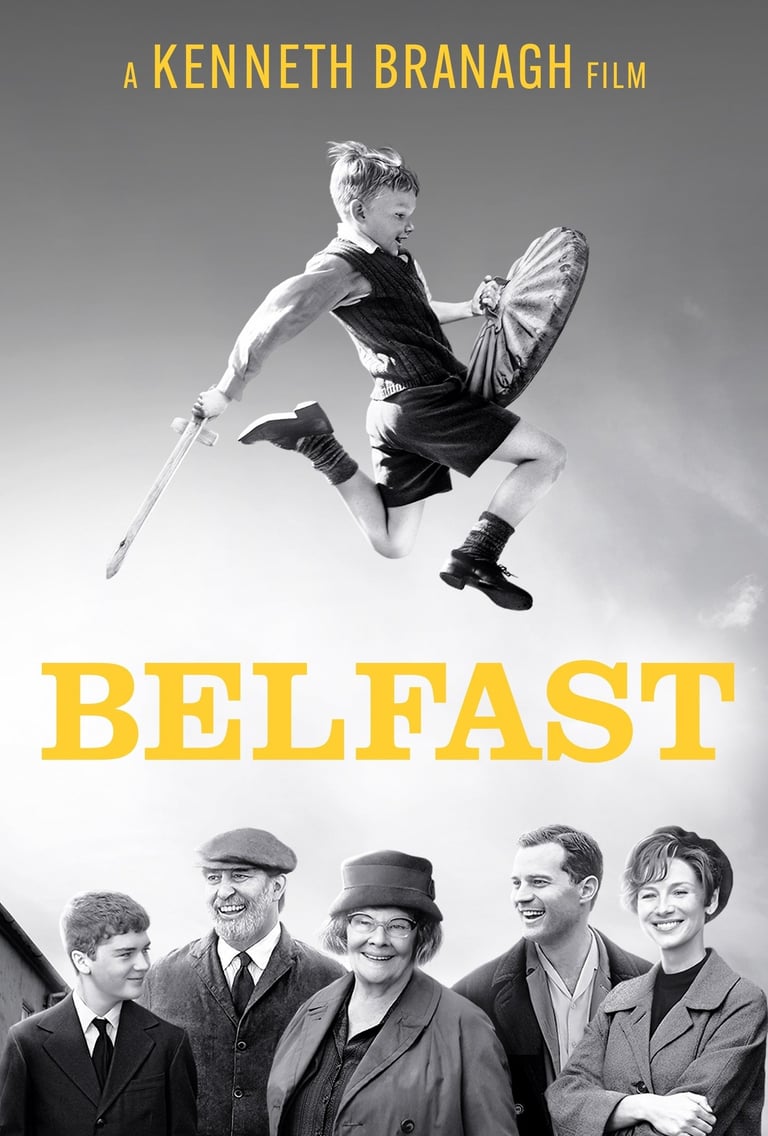
Belfast was another film with Kenneth Branagh, but about as far removed from some of the huge productions we had made together as you could imagine.
It was a very small, personal project, made with a tiny crew and on a very modest scale. When I first read the script, I hadn't fully appreciated quite how personal it was. It gradually dawned on me that what Ken had written was essentially a reflection on his own childhood growing up in Belfast, seen through the eyes of nine-year-old Buddy.
We were also making it in 2020, just as the film industry was beginning to emerge from the first COVID lockdown. Everything was stripped back. There wasn't the army of people or enormous infrastructure you associate with a major feature film — everybody simply got on with what needed to be done. In many ways, that suited the film perfectly.
What is remarkable looking back is just how far this relatively little film travelled.
It became one of Ken's most celebrated films, receiving seven Academy Award nominations including Best Picture and Best Director, with Ken ultimately winning the Oscar for Best Original Screenplay.
For me, that success said a great deal about the film. There were no enormous budgets or huge effects sequences carrying it. It succeeded because of the writing, performances, characters and the honesty of the story. Having worked with Ken on some very large productions, it was particularly satisfying to see something so small and so personal become so widely recognised.
Sometimes you don't need the biggest crew, the biggest sets or the biggest budget. You just need a really good story. And Belfast was exactly that.